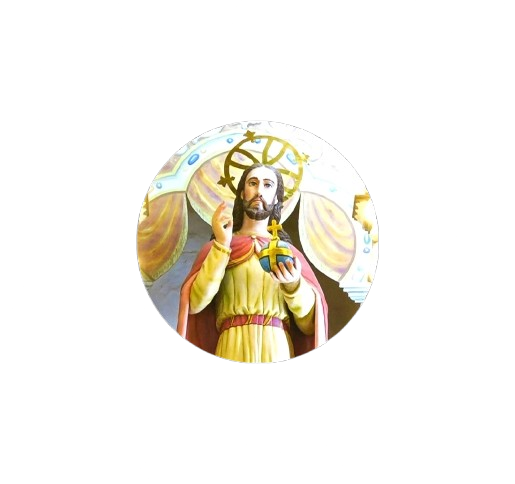
Over three centuries of faith in Agrar
The Church of Most Holy Saviour, Agrar, is dedicated to San Salvatore— Jesus Christ the Saviour of the world. The title “Most Holy Saviour” honours the central mystery of the Christian faith: that God, in His infinite love, sent His only Son to redeem humanity through His life, death, and resurrection.
This devotion was brought to the shores of Canara by Portuguese missionaries who established the parish in the 17th century. The Konkani Catholic settlers from Goa carried with them a deep veneration for the Saviour, placing their new community under His divine protection.
For over three centuries, the Most Holy Saviour has remained the anchor of faith for the people of Agrar — through persecution, captivity, and rebuilding. The parish feast, celebrated annually, is a joyful testimony to this enduring devotion.
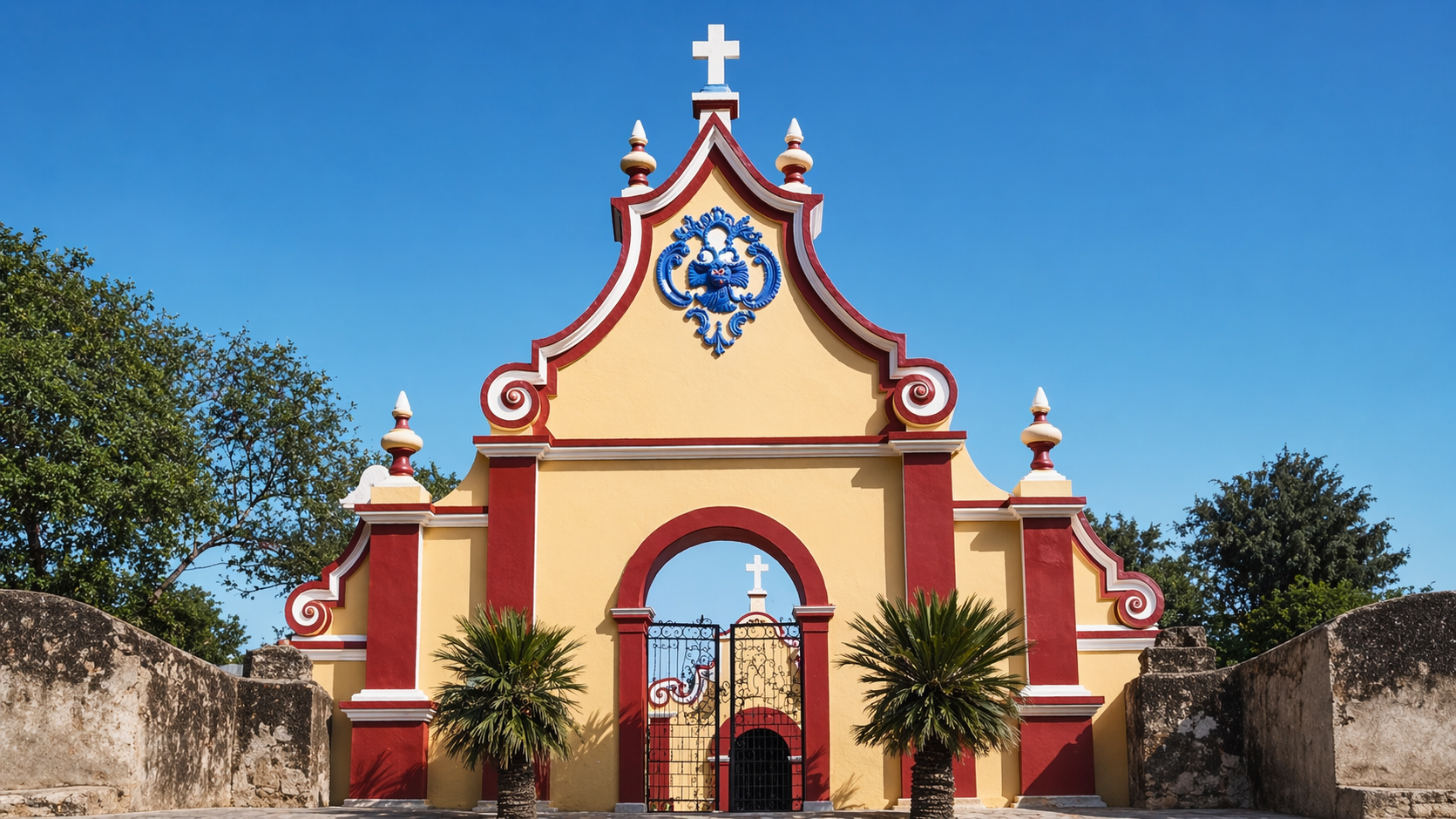
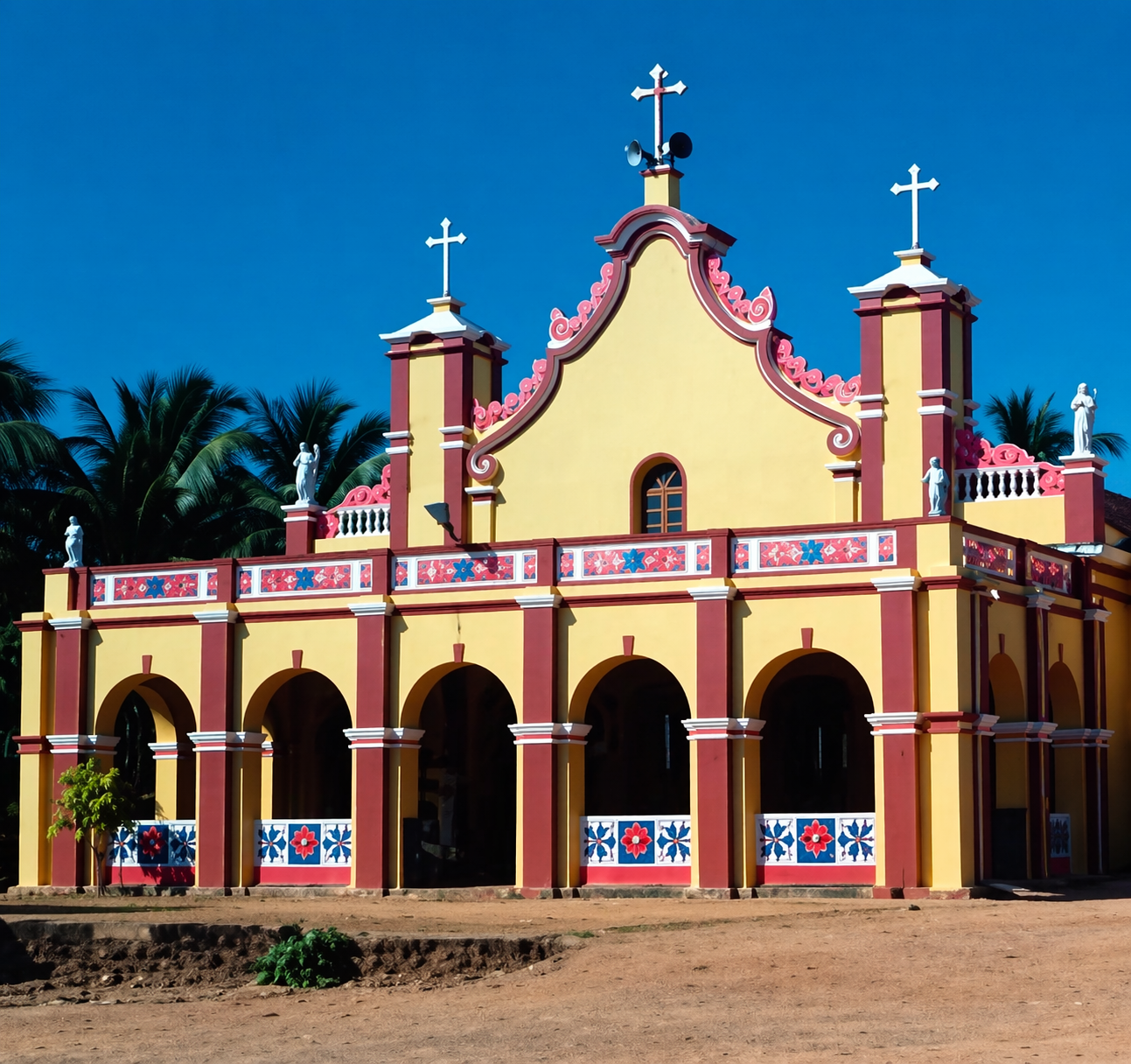
The original church structure before Tipu Sultan's era
The Church of Most Holy Saviour, Agrar (dedicated to San Salvatore), is one of the most ancient parishes in the former Canara region. Its roots trace back to the Portuguese missionary era, with the parish established in 1672, making it a 17th-century church (as documented in the History of Diocese of Mangalore by Rev. Devadath Kamath and Rev. Pius Fidelis Pinto).
The first documented faith in Agrar dates to 1587, with the earliest Catholic families bearing the surnames D'Souza, Rodrigues, and Sequeira. The Konkani Catholics migrated from Goa — specifically the Bardez region — in multiple waves between 1587 and 1672, for various reasons, settling here and building a thriving Catholic community around the San Salvatore church.
Situated 27 km east of Mangalore along the banks of the Nethravathi River, the parish originally covered a vast territory extending nearly 50 miles toward Belthangady and Charmadi, including the areas of present-day daughter parishes such as Belthangady and Madanthyar, along with their mission stations.
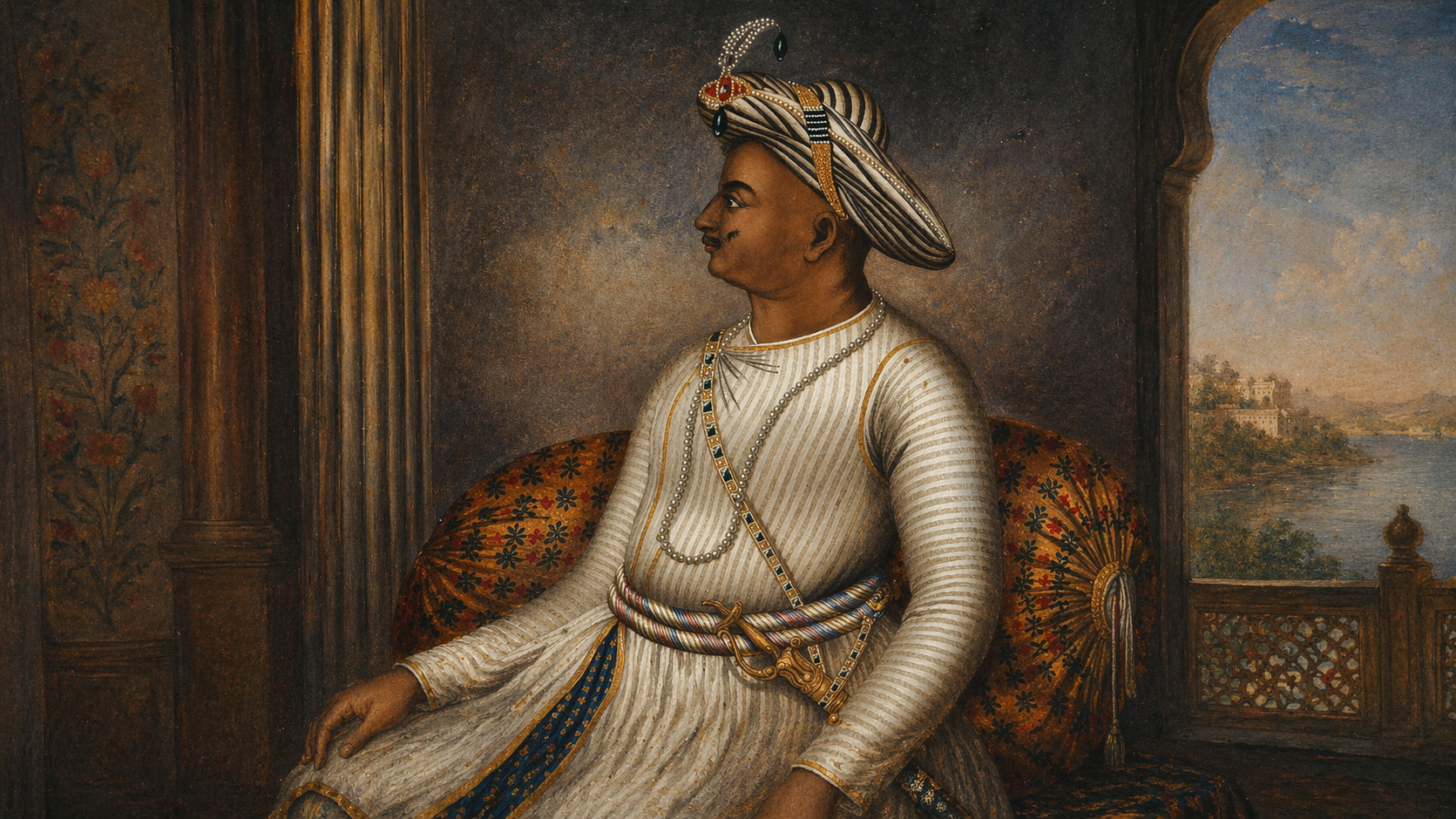
Tipu Sultan
In 1784, the church suffered a devastating blow when Tipu Sultan's forces swept through the region. The original church was demolished, and the Catholic community was taken captive to Seringapatam (Srirangapatna).
After Tipu Sultan's defeat at the Battle of Seringapatam in 1799, the surviving Christians were released from captivity and returned to their homeland. The church was rebuilt in 1803, and the Agrar community, resilient in faith, began rebuilding their lives.
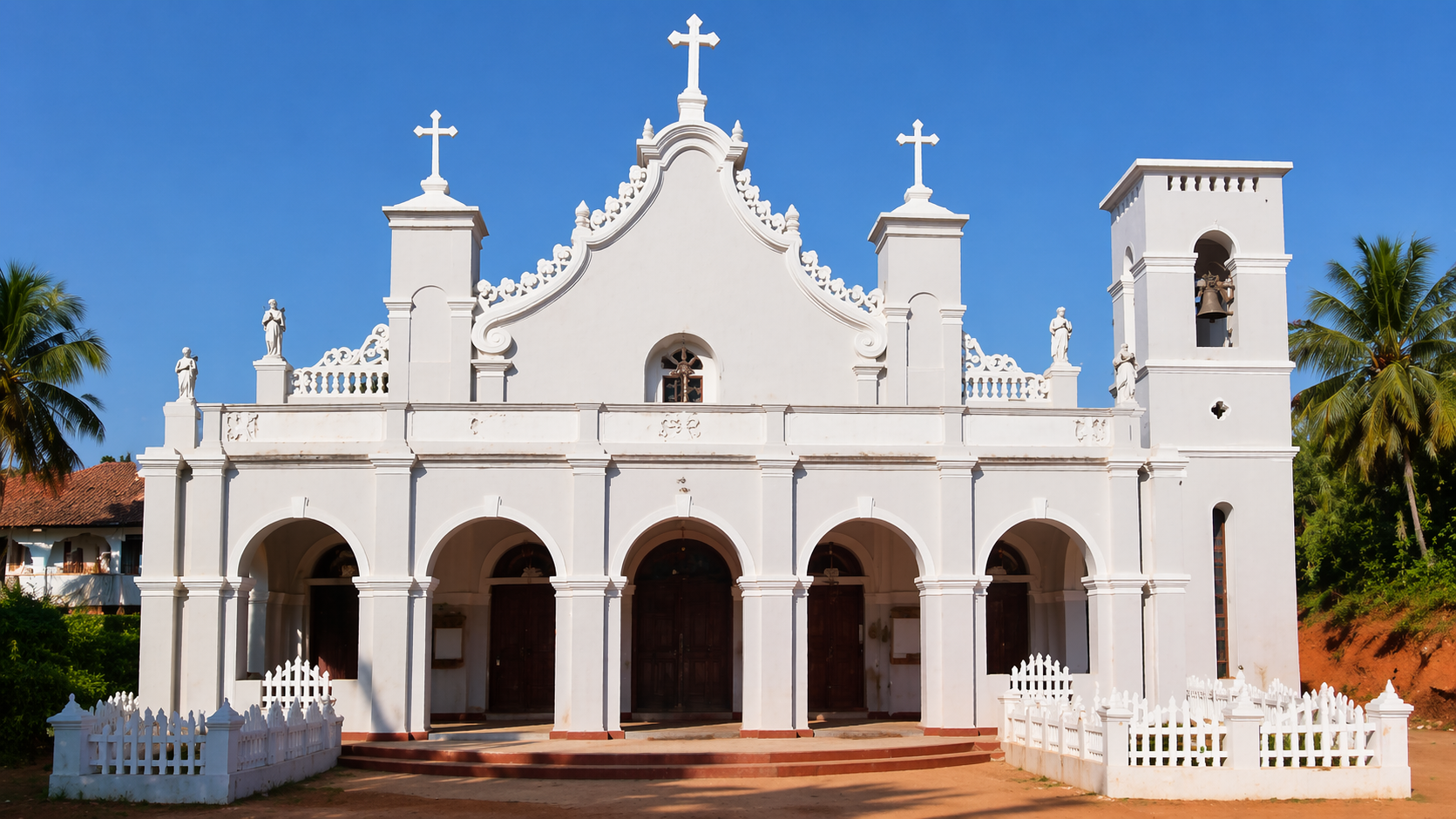
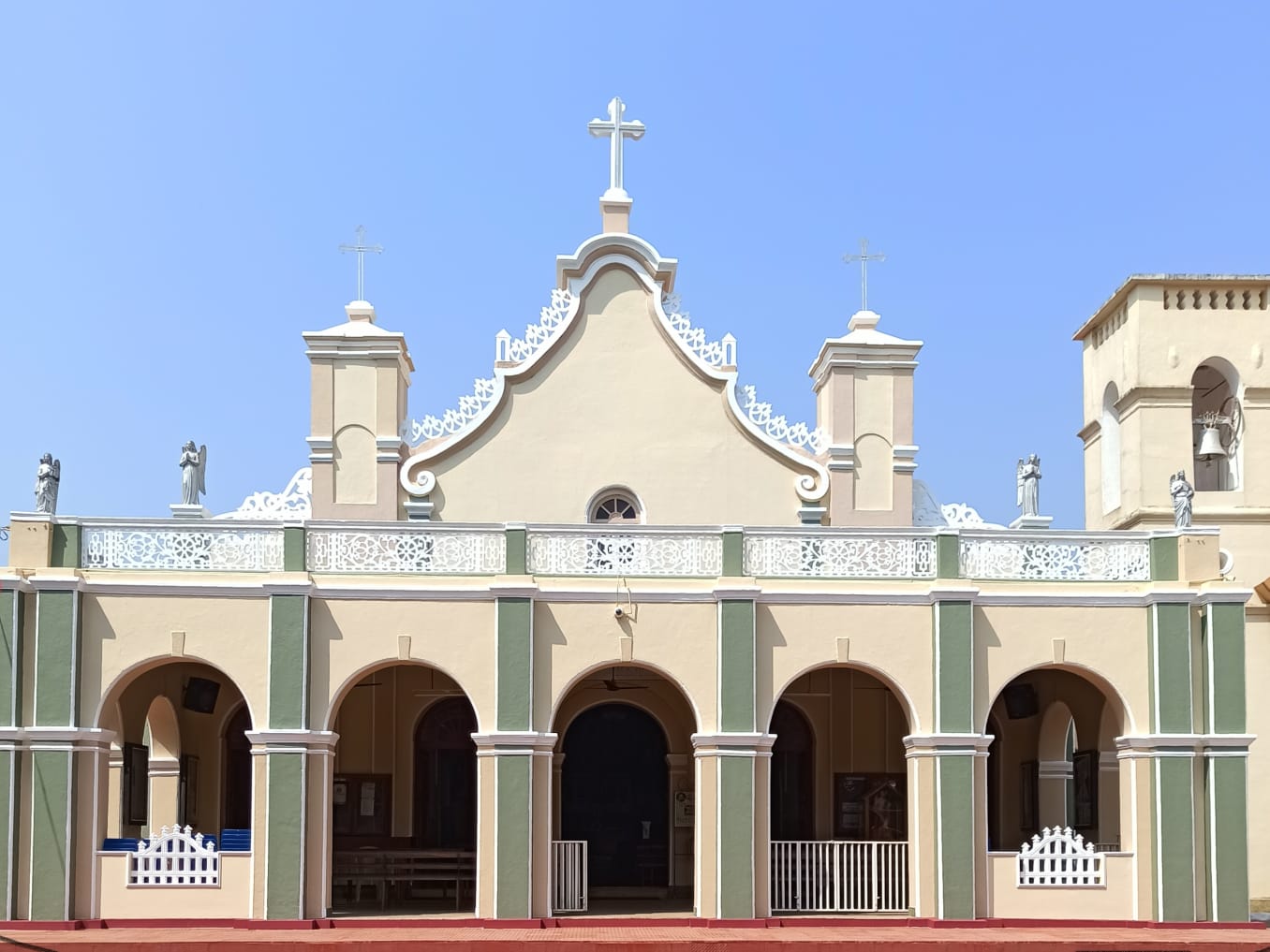
Church of Most Holy Saviour before renovation
The present church structure owes much to the vision of Rev. Fr. Camilo M. Baretto, who undertook a major expansion in 1889, transforming the modest rebuilt chapel into the grand church that stands today.
Under successive parish priests, the church grew into the mother parish of the region — a distinction it holds to this day as the originating parish from which several daughter parishes were carved across the Western Ghats foothills.
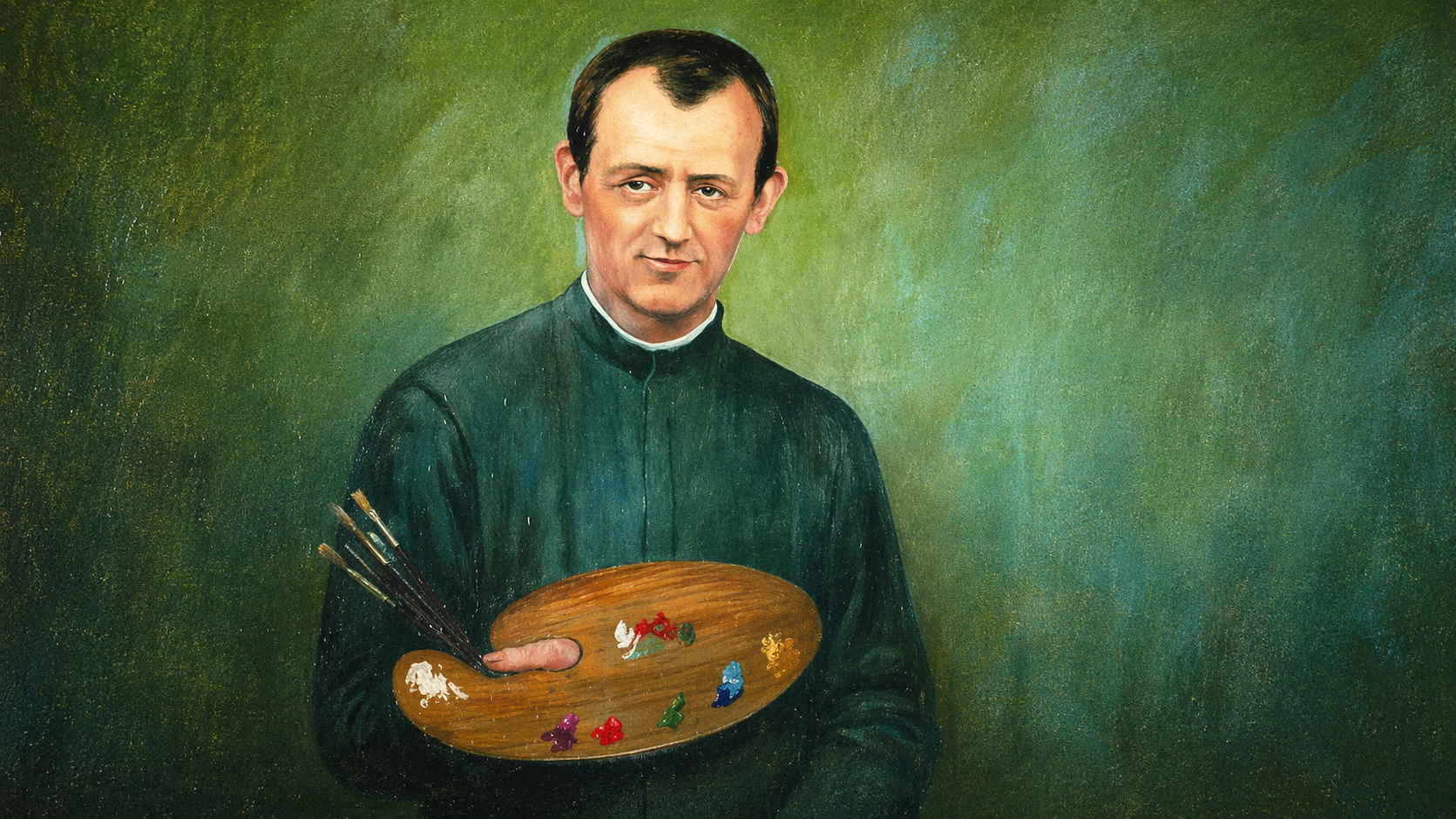
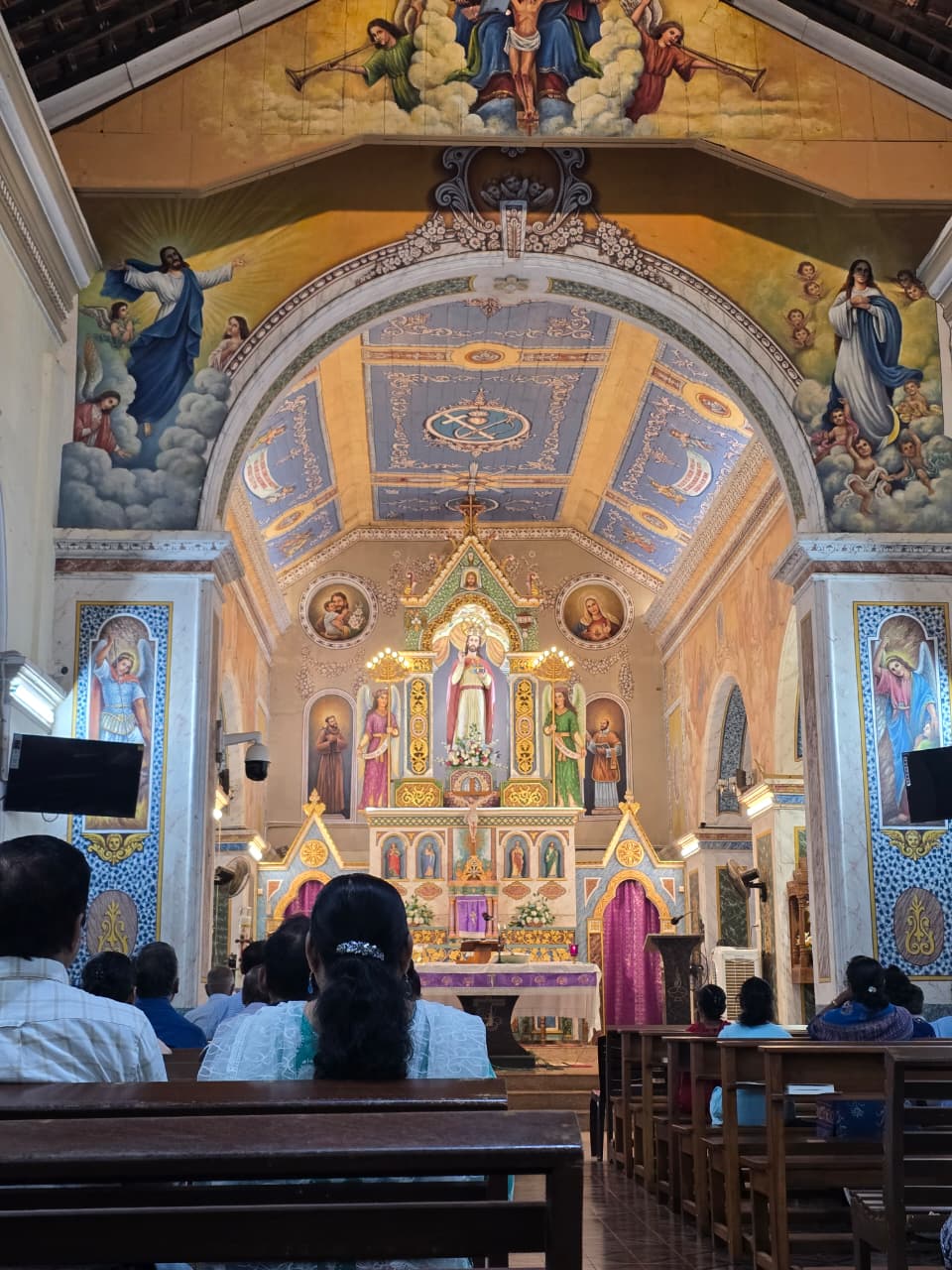
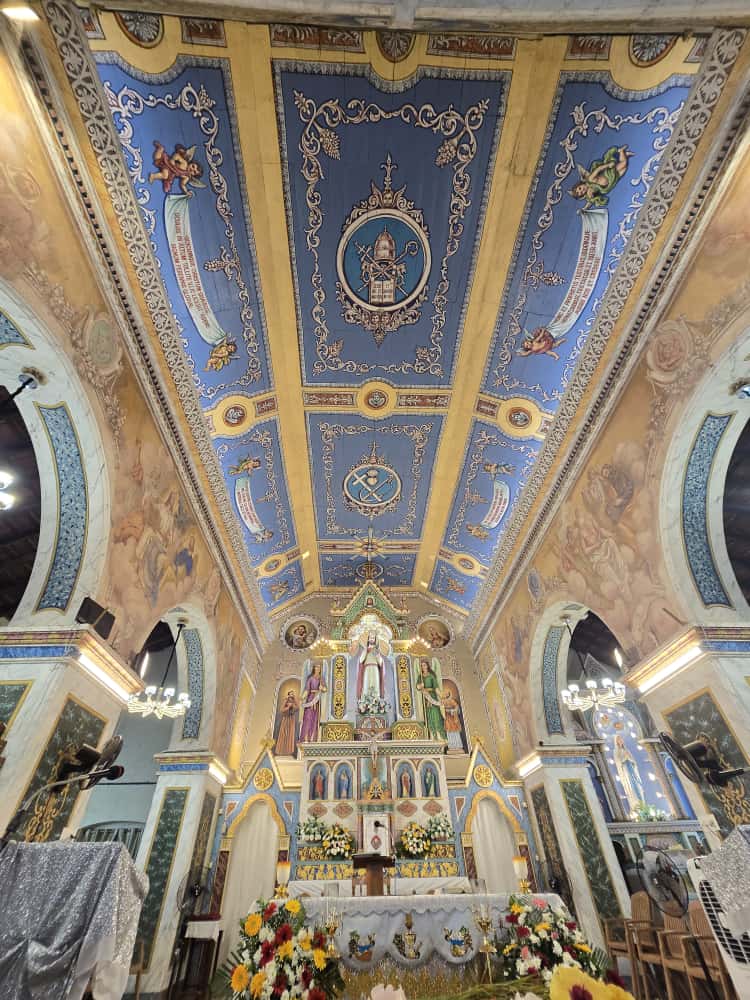
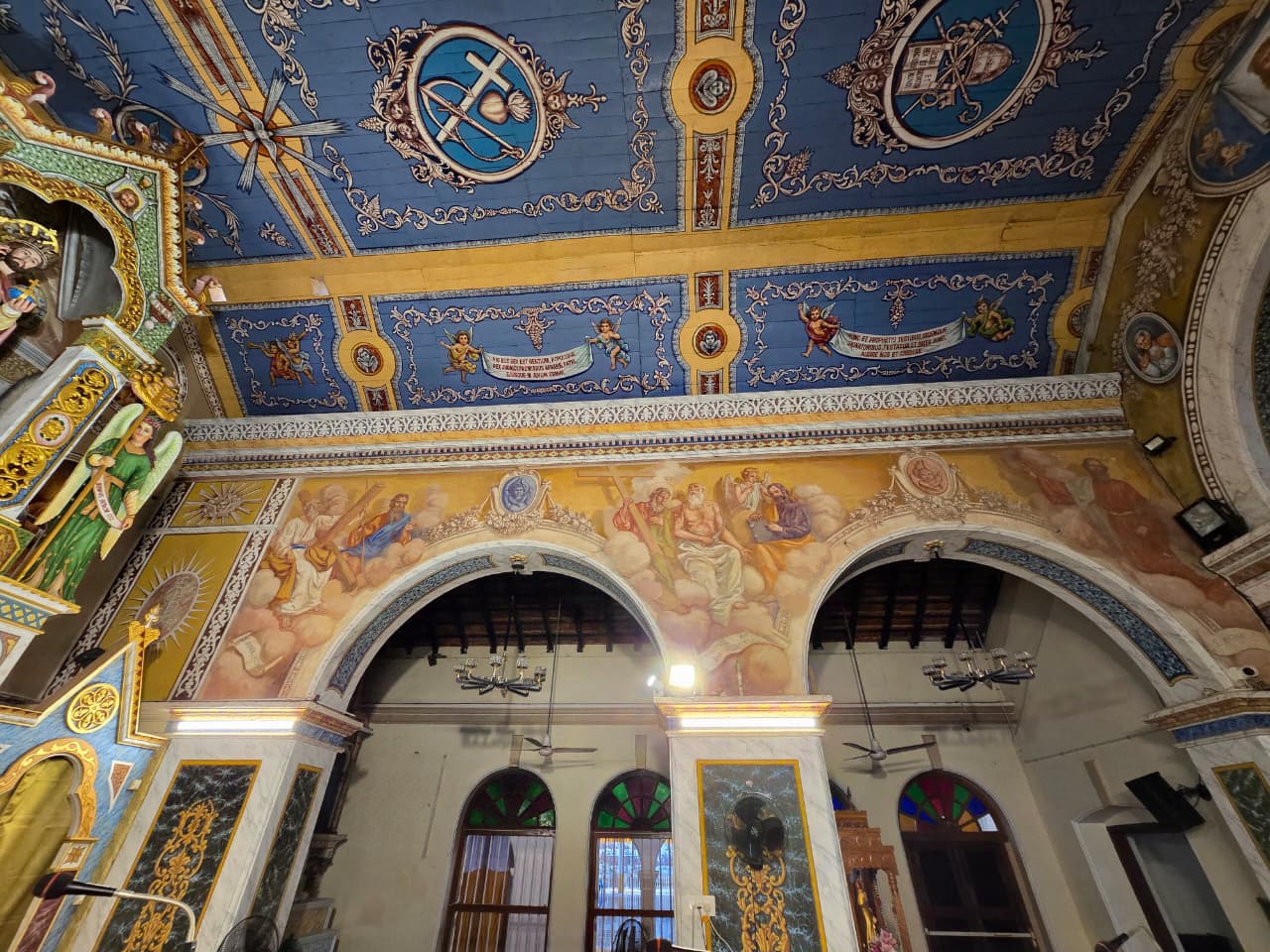
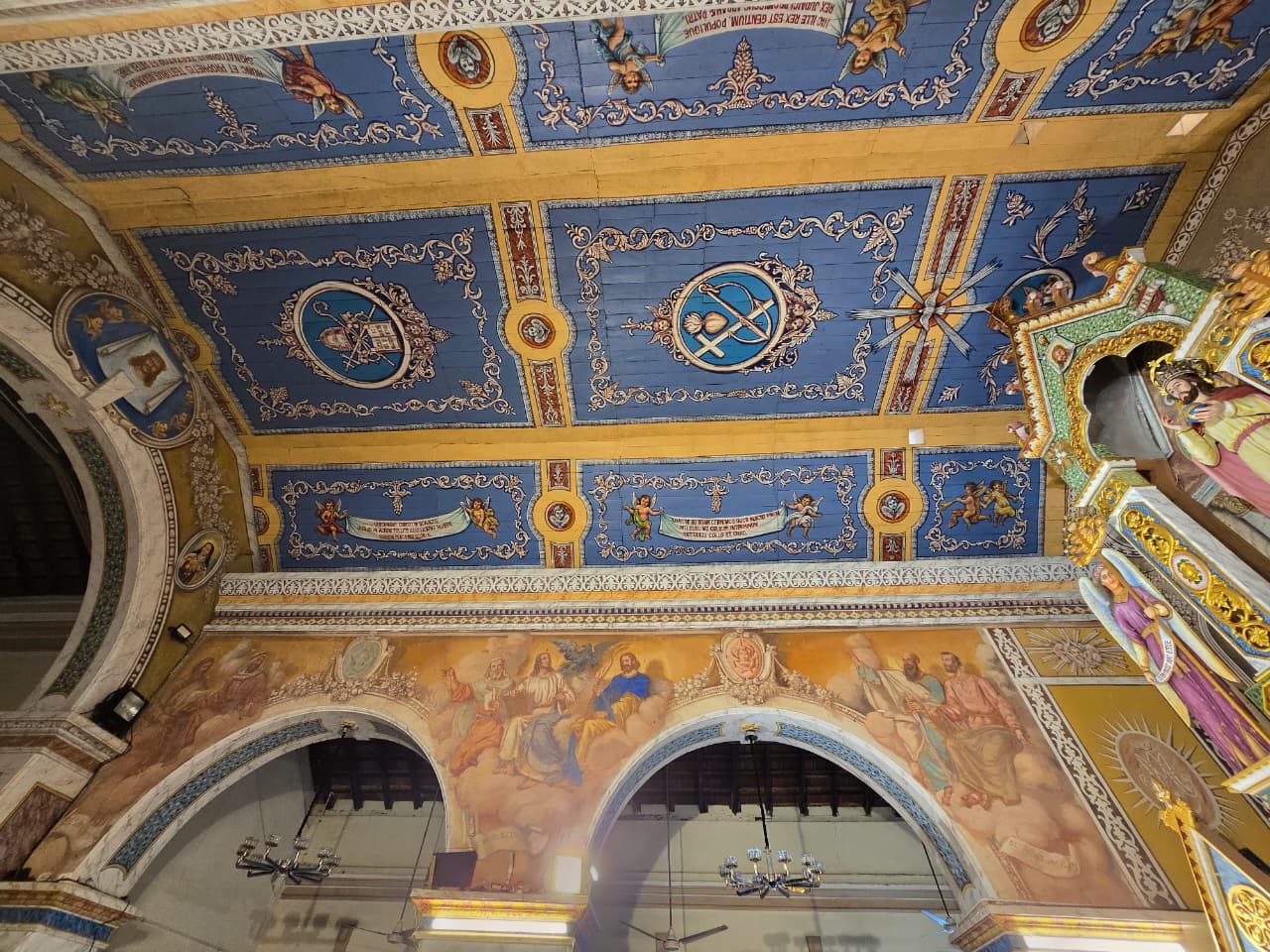
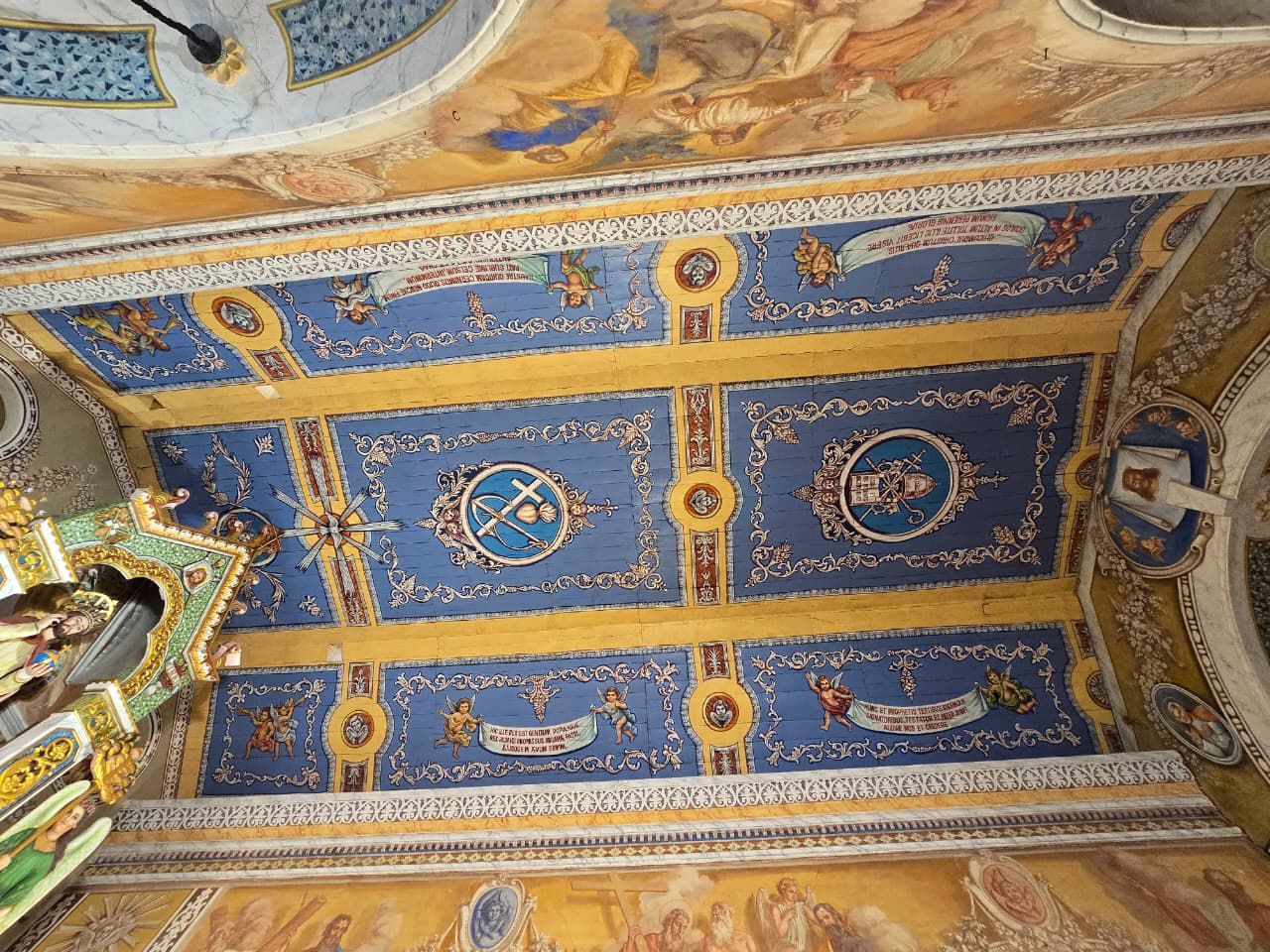
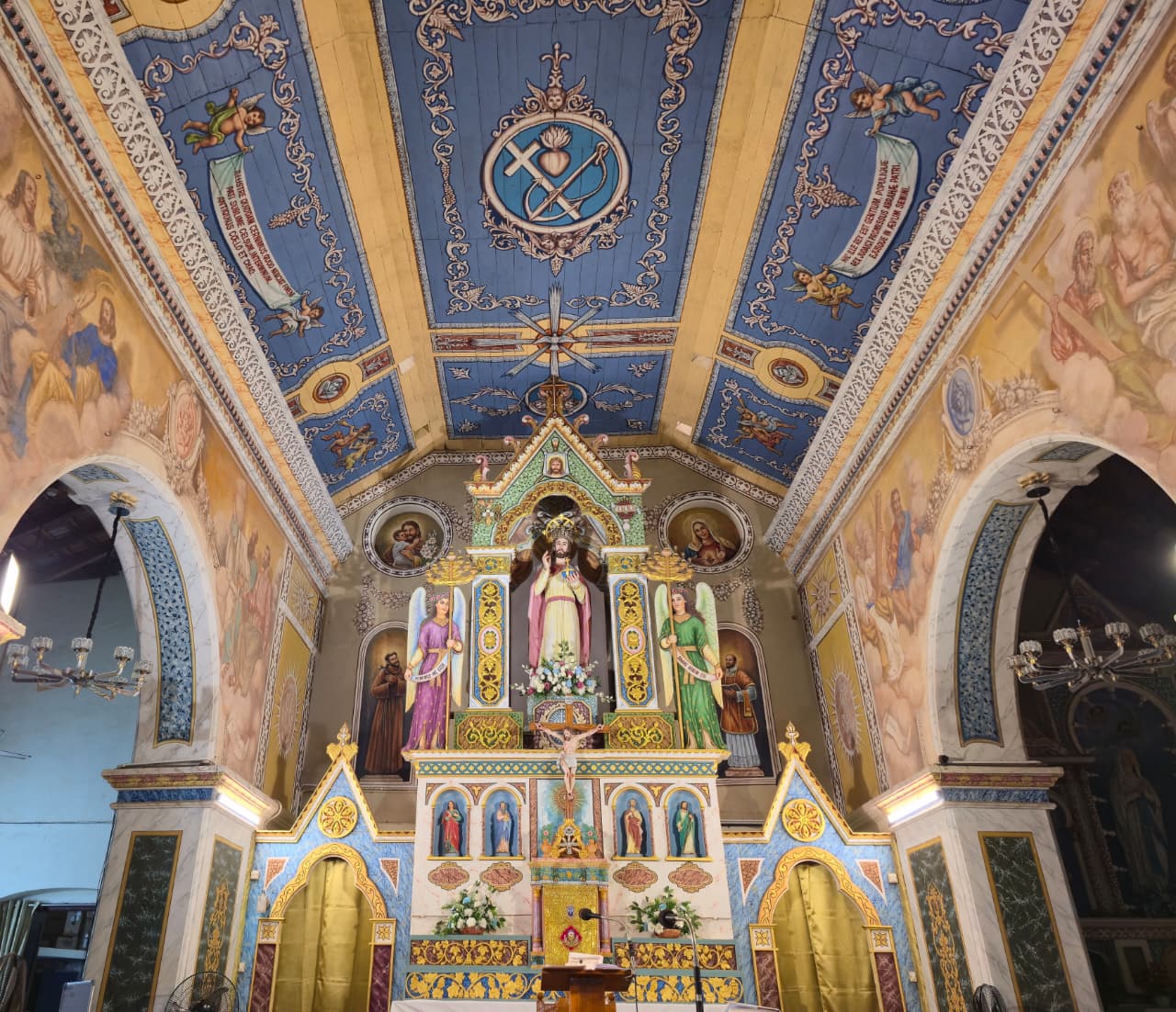
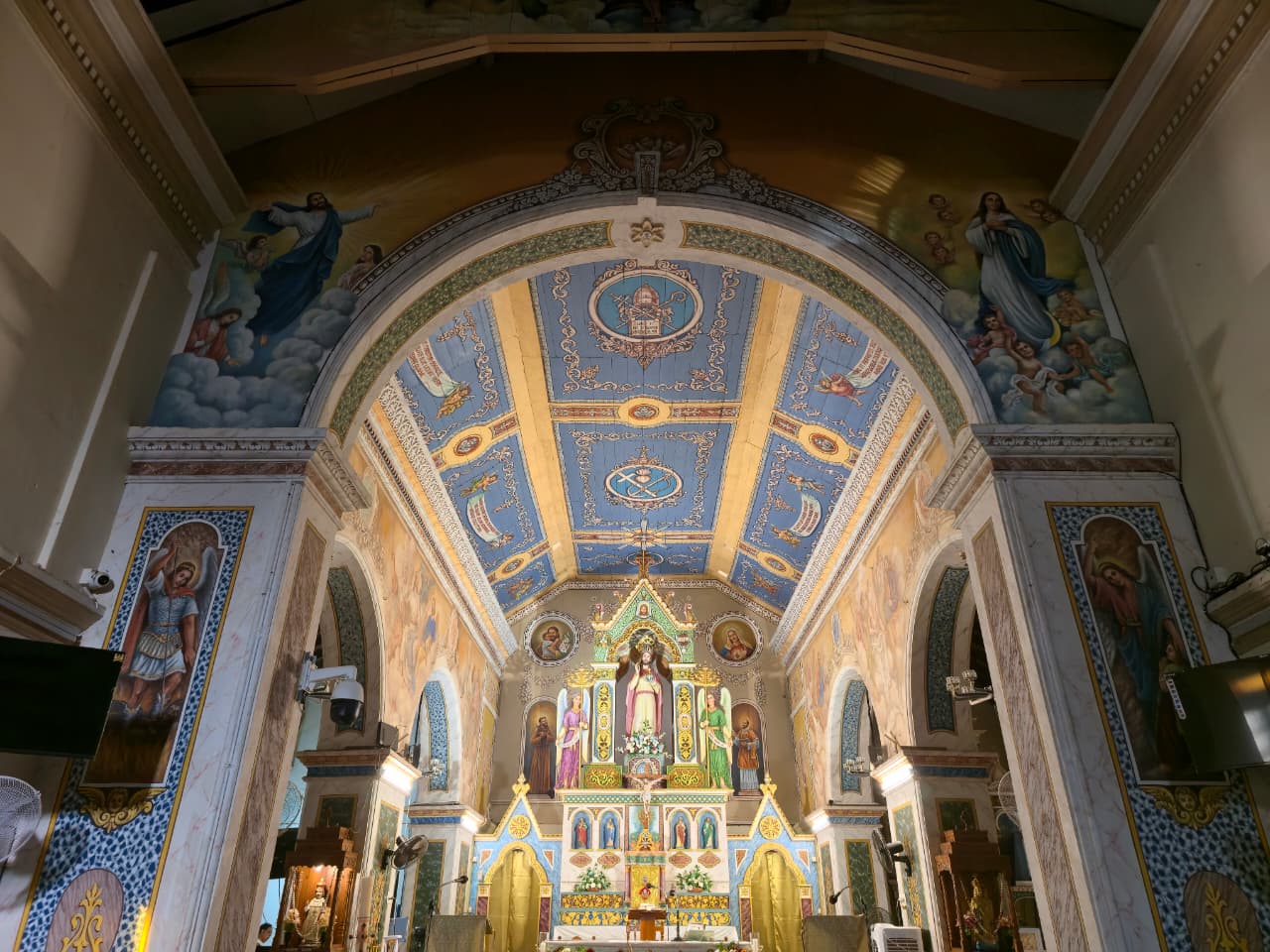
Brother Antonio Moscheni, S.J.
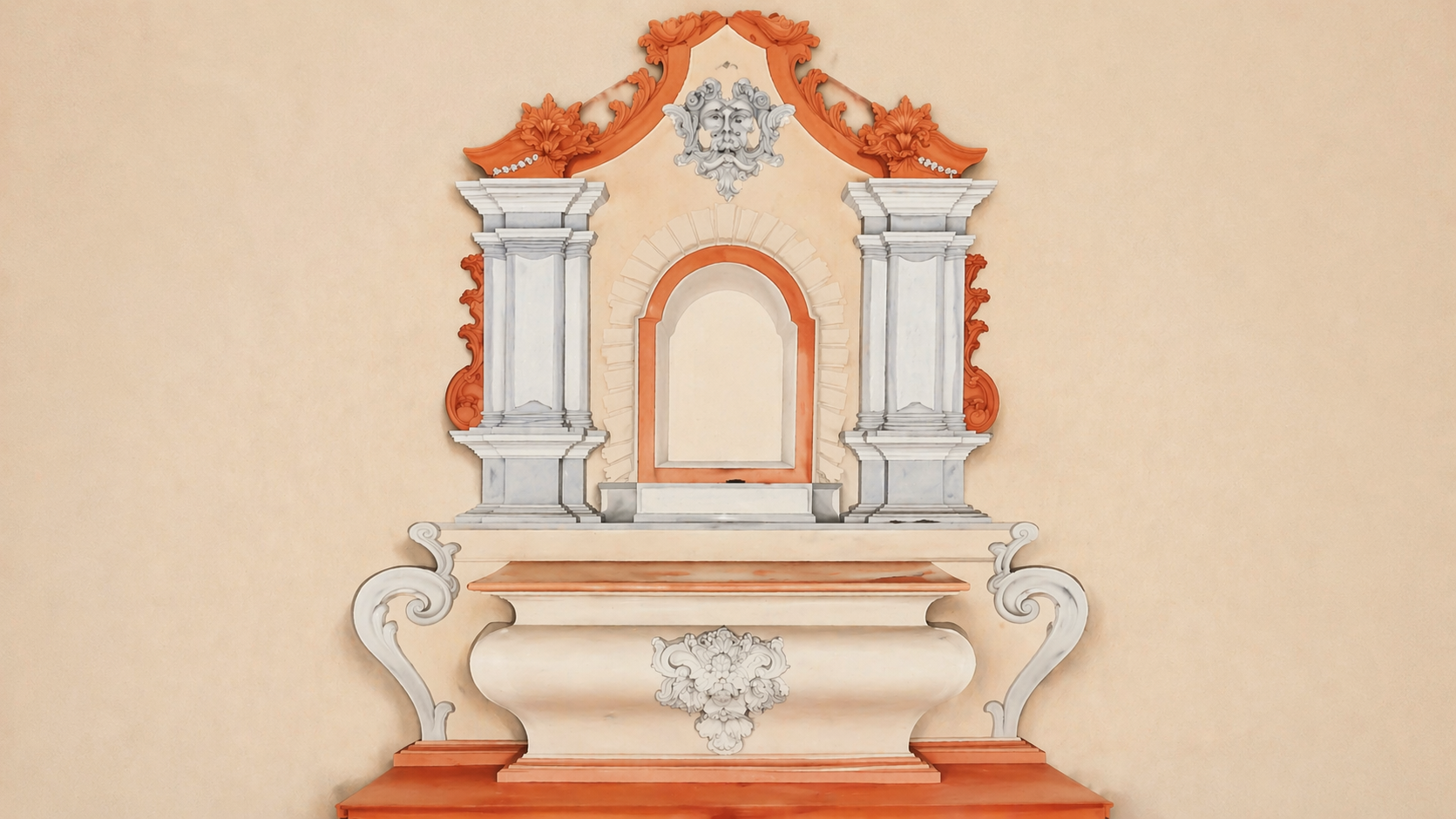
The crown jewel of Holy Saviour Church is its magnificent collection of frescoes painted by Brother Antonio Moscheni, S.J. in 1902. Moscheni (1854–1905), an Italian Jesuit lay brother, is best known for his breathtaking work at St. Aloysius Chapel in Mangalore.
The great paintings in the Sanctuary display the same mastery of perspective, colour, and sacred imagery. His work was complemented by paintings from Francisco De Gama.
Fresco (buon fresco) is one of the rarest and most enduring forms of mural painting. The artist applies mineral pigments directly onto freshly laid wet lime plaster. As the plaster dries, a chemical reaction binds the pigments into the wall itself, making the painting an integral part of the structure — it can never fade or peel off. The technique demands great skill, as the artist must work swiftly before the plaster sets, and the colours dry several shades lighter than they appear while wet.
In India, churches adorned with Moscheni's frescoes are exceedingly rare. Apart from Agrar, his work can be seen at St. Aloysius Chapel, Mangalore, Cathedral of the Holy Name, Mumbai, and Santa Cruz Cathedral Basilica, Fort Kochi — making Holy Saviour Church a site of exceptional artistic, spiritual, and cultural significance.
Agrar was once the vastest and richest parish in the region, its territory extending up to 50 miles — all the way to Charmadi. The main profession of parishioners has been cultivation. Agrar originally had nine chapels: Gadai, Madanthyar, Alampuri, Nirkan, Rayee, Ajjibettu, Siddakatte, Allipade, and Kakyapadavu.
As the community grew, several of these chapels were carved out as independent parishes:
Agrar Parish has contributed greatly to the field of education. Rev. Fr. Reginald Pinto was uniquely responsible for establishing ten schools within the parish boundaries:
The parish also ran the Christa Jyothi High School (Kannada medium), which served the community from 1984 to 2024. The St. Anne's Providence Convent was present in the parish from 1977 until around 2016, when it was succeeded by the SRA Convent (Missionary Sisters of the Queen of Apostles), whose sisters arrived in 2016–2017.
Many parishioners who received their early education here have gone on to distinguish themselves across the world.
Today, the Holy Saviour English Medium School serves students from playschool through 10th standard. The religious sisters continue the educational and spiritual mission of the parish.
The inauguration of the Holy Saviour Hall in 2018 provided the parish with a modern community space for gatherings, cultural events, and celebrations.
One of the earliest Catholic parishes in coastal Karnataka, established by Portuguese missionaries.
Church demolished and parishioners taken captive to Seringapatam.
After Tipu's defeat, the faithful return to their homeland.
The church is rebuilt after the community's return from captivity.
Fr. Camil Baretto expands the church to its present grand form.
Brother Antonio Moscheni, S.J. paints the church's celebrated frescoes.
Permanent clergy residence constructed on the parish grounds.
The parish becomes part of the newly erected Diocese of Mangalore.
Parish celebrates 330 years since its canonical erection in 1672 and the centenary of the Moscheni frescoes.
New parish community hall inaugurated for gatherings and events.
Historical research by John Cyril D'Souza. English translation by Antony Martis.